Boat & Marina Hazardous Waste Disposal

Safely dispose of marine flares, oil-soaked absorbents, old fuel, paints, solvents, and other boat-related hazardous waste in Marin County. Zero Waste Marin offers free recycling and disposal programs for eligible residents and recreational boaters.

Important: These programs are available to Marin County residents only, including those living on boats or in houseboats. Businesses must use standard hazardous waste disposal services. 

Boat & Marina Disposal Programs

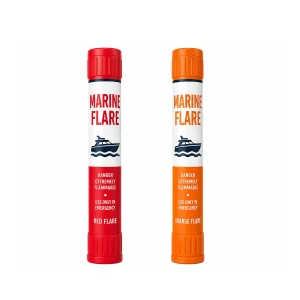
a red and orange marine flare

Marine Flares

Dispose of expired or unwanted marine flares safely.

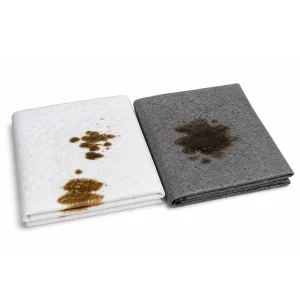
White and gray absorbent pads with visible oil stains

Oil Absorbents Exchange Program

Exchange used absorbents and learn about proper disposal options

Other Boat & Marina Hazardous Waste

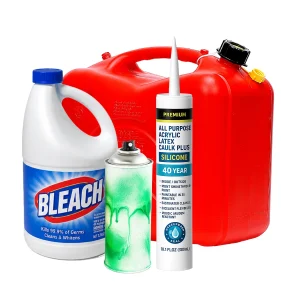
Examples of boat and marina household hazardous waste, including fuel containers, bleach, aerosol cans, and sealants that require proper disposal.

In addition to marine flares and oil absorbents, boat owners may need to safely dispose of other household hazardous waste generated during boat maintenance and operation.

Accepted examples may include:

  • Gasoline and old fuel
  • Paints, stains, and varnishes
  • Solvents and thinners
  • Adhesives and sealants
  • Cleaning chemicals
  • Automotive and marine fluids

Take it to a Household Hazardous Waste Facility

Need to dispose of boat maintenance products that aren’t accepted through the marine programs? Household Hazardous Waste Facilities accept many other boat-related products including paints, solvents, fuels, cleaners, adhesives, and automotive fluids.

San Rafael HHW Facility

  • Marin residents (except Novato)
  • Marin businesses by appointment (fees may apply)

Novato HHW Facility

  • Novato residents only
  • Novato businesses by appointment (fees may apply)

Dispose of Expired Marine Flares

Dispose of expired or unwanted marine flares safely at Zero Waste Marin’s free annual collection event for eligible recreational boaters.

Marine flares are not accepted at Marin County household hazardous waste facilities or at marinas. Expired marine flares from recreational boaters can only be disposed of during the annual Marine Flare Collection Event.

Two marine flares

Why Proper Disposal Matters

Icon: flame in a circle for fire danger

Prevent Fires

Improperly discarded marine flares can create a serious fire hazard.

Icon: water drop in a circle for conservation

Protect Waterways

Proper disposal keeps hazardous materials out of Marin’s waterways.

Icon: check mark in a circle

Meet Regulations

Dispose of expired flares safely through Marin’s annual collection event.

Who Can Participate?

This free collection event is available to recreational boaters who:

  • Live in Marin County, or
  • Keep their boat at a Marin County marina

Proof of Marin County residency or a marina slip is required.

What Flares are Accepted?

Annual Collection Event

Zero Waste Marin hosts a free marine flare collection event each fall in partnership with CalRecycle, California Boating Clean & Green, and the California Product Stewardship Council.

Fall 2026 MarinE Flare Collection Event

Event details will be announced soon. Check back for the date & location.

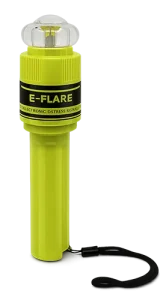
An electronic distress signal e-flare

A Safer Alternative: Electronic Flares

Many recreational boaters are switching to electronic distress flares because they’re reusable, don’t expire, and eliminate the open flame of traditional marine flares. They can also provide hours of visibility compared to the short burn time of a traditional flare.

Learn more about electronic flare alternatives at this year’s collection event.

Help Improve the Program

Tell us about your experience with marine flares. Your feedback helps improve future collection events and educational resources.

Recycle Oil Absorbents in Marin County

Protect Marin’s waterways by preventing oil from entering bays, marinas, and waterways.

Marin boaters, marina tenants, and houseboat residents can receive free oil absorbent pillows and pads through participating marinas. Place them in your boat’s bilge to capture oil before it reaches the water. When the absorbent becomes saturated, simply exchange it for a new one.

Why Use Oil Absorbents?

Icon: water drop in a circle for conservation

Protect Waterways

Capture oil before it enters Marin’s bays and waterways.

Icon: circular arrows in a circle for reuse

Free Exchange Program

Receive replacement absorbent pads and pillows at participating marinas.

Icon: check mark in a circle

Easy to Use

Place the absorbent in your bilge and exchange it when it becomes saturated.

What's Available?

Oil Absorbent Pads & Pillows

The program provides oil-only absorbent pads and pillows designed for use in boat bilges. These absorbents soak up oil and fuel while repelling water, helping prevent pollution before it reaches the environment.

White and gray absorbent pads with visible oil stains

How the Program Works

1

Pick Up

Visit a participating marina to receive a free absorbent pad or pillow.

2

Place It

Put the absorbent in your boat’s bilge where oil may accumulate.

3

Exchange It

When saturated, return the used absorbent to the marina and receive a replacement.

Participating Marinas

San Rafael Yacht Harbor

  • Oil absorbent exchange location
  • Free absorbent pads and pillows (while supplies last)

Clipper Yacht Harbor

  • Oil absorbent exchange location
  • Free absorbent pads and pillows (while supplies last)

Please note: The marinas listed below accept used oil absorbents only. For all other household hazardous waste (HHW), please visit the San Rafael Household Hazardous Waste Facility. Novato residents should use the Novato Household Hazardous Waste Facility.

IMPORTANT DISPOSAL NOTICE


Never Place Marine Flares or Oil-Soaked Absorbents in Curbside Carts

Marine flares are hazardous waste and must never be placed in trash, recycling, or organics carts.

Oil-soaked absorbents can contain hazardous petroleum products and should be returned to a participating marina through the Oil Absorbents Exchange Program. Never place them in trash, recycling, or organics carts.